How to Use Lemon Vibrators When You Feel Anxious About Solo Pleasure
Here's the thing about solo pleasure anxiety: it rarely comes out of nowhere. It usually arrives packaged with messages you absorbed years ago. Maybe masturbation felt shameful in your household. Maybe you internalized the idea that pleasure is something you receive from a partner, not something you create for yourself. Maybe you worry that wanting your own orgasm means something is wrong with your relationship. Maybe you simply never learned that self-touch is a skill, not a character flaw.
Anxiety around solo pleasure is one of the most common things I hear about in my practice, and almost nobody talks about it openly. The silence is part of the problem. When you're the only one feeling this way, it feels personal. When you realize half your friends feel it too, it becomes what it actually is: a learned response that you can unlearn.
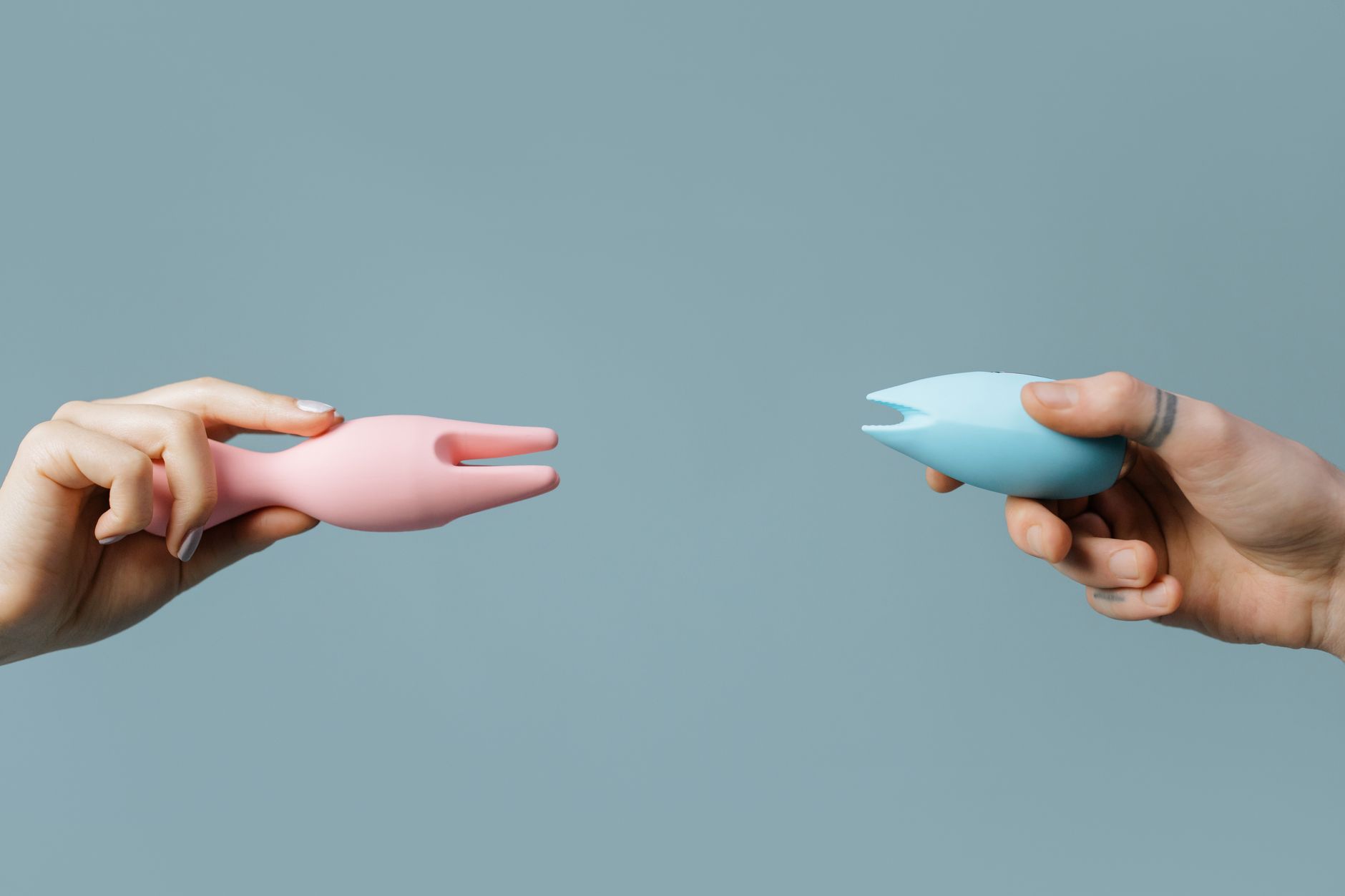
Lemon vibrators, specifically the suction-based design of devices like the Lem, can actually help you move through this anxiety because they change the relationship between you and pleasure. Instead of performance, you're exploring sensation. Instead of shame, you're gathering information. Instead of forcing yourself into it, you're giving your brain permission to be curious.
Understanding where the anxiety actually comes from
Anxiety about self-pleasure isn't weakness or prudishness. It's your nervous system doing exactly what it was taught to do. If you grew up in an environment where bodies were private, sexuality was unspoken, or pleasure was seen as indulgent or dangerous, your brain learned that touching yourself was off-limits. That's not a personal failing. That's neuroscience.
Add in the layer that many women absorb from media and relationships: that your value is partly based on being desired by someone else. If that's your framework, solo pleasure can feel like you're trying to replace something that should come from outside yourself. It can feel selfish, broken, or like proof that your relationship isn't working.
Here's what's actually true: solo pleasure and partnered pleasure are not opposing forces. They're different conversations with your body. Solo pleasure is about learning your own map. Partnered pleasure is about building that map together. You need both.
Why lemon vibrators specifically help with anxiety
Most of the anxiety around solo pleasure involves the word "masturbation" itself. It comes loaded. It has history. It can feel clinical or crude depending on who taught you to think about it.
Lemon clitoral vibrators reframe the entire experience. You're not masturbating. You're exploring sensation. You're using a tool. You're gathering data about your body. The language shift matters because your brain believes it.
The physical sensation also matters. Suction-based stimulation from a lem vibrator is different from hand stimulation or penetrative sex. It's non-penetrative, which for some people feels less "sexual" and more "exploratory." That psychological permission can be the difference between freezing up and actually relaxing enough to feel something.
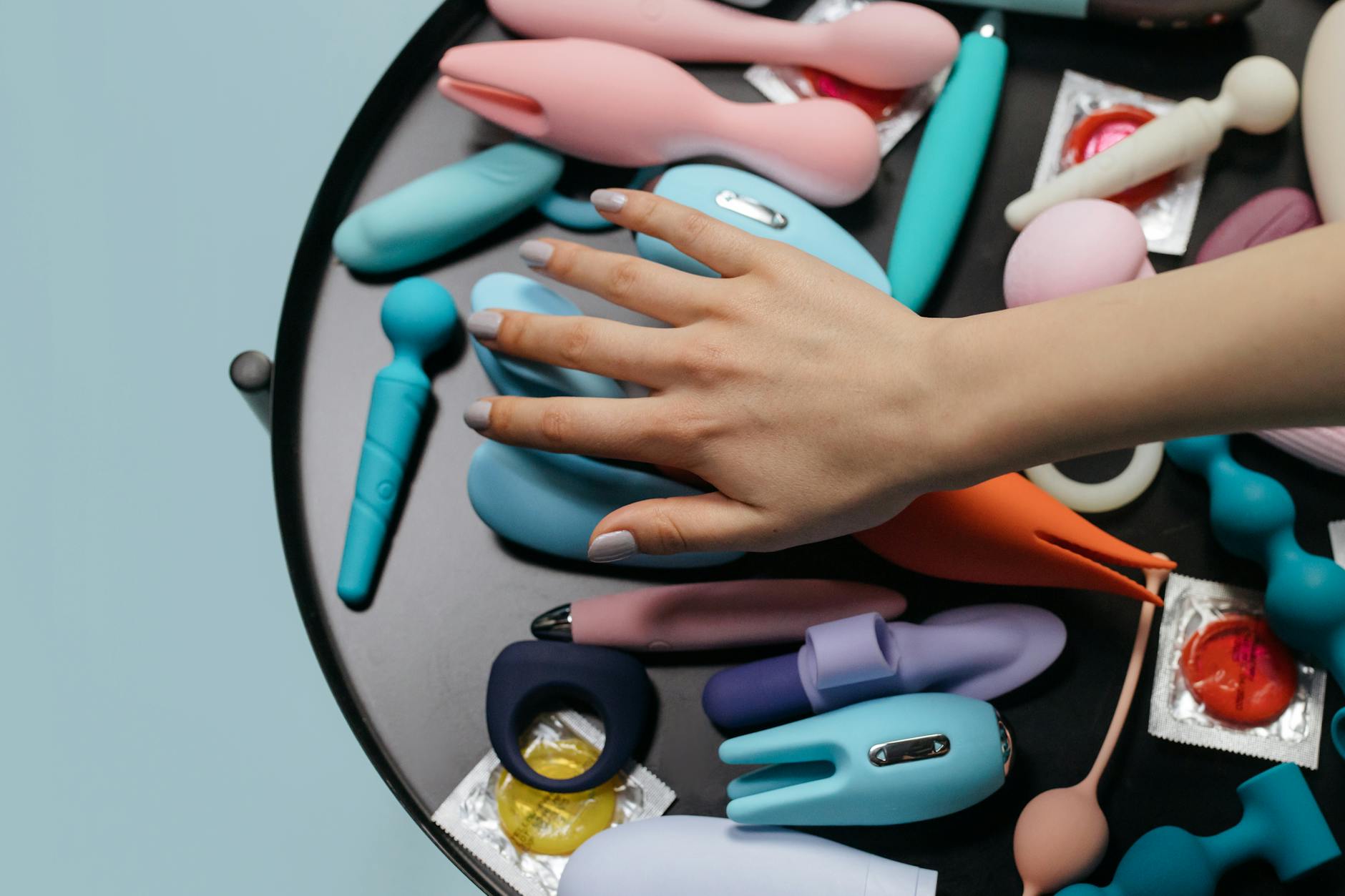
Photo by cottonbro studio on Pexels
The device also gives you something to focus on other than your thoughts. Anxiety thrives in the gap between intention and action. A lemon vibrator fills that gap with sensation, which quiets the noise.
Building a practice that feels safe
If anxiety is showing up, you need scaffolding. Here's what I recommend:
Start with timing, not pressure. Pick a time when you have actual privacy and aren't going to be rushed or interrupted. Not "sometime this week." A specific time: Tuesday at 7 p.m., Saturday morning, whenever. Your nervous system needs to know the container is sealed.
Set a boundary with yourself about outcome. The goal is not to have an orgasm. The goal is to spend 15 minutes exploring what sensation feels like with this tool. Orgasm is optional. This removes the performance pressure from the equation. You can't fail at exploration.
Start with the lower intensities. The Lem has multiple settings. Spend your first few sessions on patterns 1 and 2. Get comfortable with the sensation, the sound, the feel of the device. Let your nervous system adapt without overwhelm.
Create a ritual that separates this time from everything else. Light a candle. Put your phone in another room. Change your clothes into something that feels soft. Tell your partner or housemate you need uninterrupted time. The ritual signals to your brain that this is intentional, not sneaky. Intention dissolves shame.
What to do when anxiety shows up mid-session
It will. Your mind will wander to whether you're doing this right, or whether it's weird, or what would happen if someone found out. This is normal. Your nervous system is checking for danger because it learned that pleasure is dangerous.
When the anxious thought appears, don't fight it. Notice it. "That's the old message. That's not true now." Then redirect your attention to one specific physical sensation. The vibration on your skin. The warmth of your thighs. The pressure against your body. Stay with sensation instead of story.
If the anxiety gets strong and you need to stop, stop. But tomorrow or next week, try again for just 10 minutes. Anxiety doesn't get worse from gentle, repeated exposure. It gets quieter.
Reframing solo pleasure as part of your health
Here's what changes things: treating solo pleasure like any other form of self-care. Not as indulgence. As maintenance.
Orgasms regulate your nervous system. They increase blood flow to your pelvic floor, which supports bladder health and sexual function. They reduce cortisol. They improve sleep. They're literally medicine. When you frame solo pleasure as health practice instead of something you're stealing time for, the guilt loses its grip.
Tell yourself: "I'm learning my body. This is information. This is maintenance. This is mine." Say it before the session. Repeat it when anxiety shows up.
When to talk to your partner (and when not to)
If you have a partner, you might worry that solo pleasure is a referendum on your relationship. It's not. But that conversation can feel loaded.
You don't need to tell your partner every detail. "I want to explore solo pleasure for my own health" is complete. If they push back, that's a separate conversation. You get to have things that are just yours. That's not rejection. That's boundaries.
If your partner is supportive, you don't owe them access either. Just because they know doesn't mean you perform it for them. The moment you do, it stops being about you and becomes about them. Solo pleasure is solo for a reason.
The timeline for anxiety to soften
You won't walk away from your first session feeling totally liberated. Anxiety that's been there for 20 years doesn't vanish in 15 minutes. But it can soften. With each gentle session, the pathways that carried "this is wrong" start to rewire to "this is allowed."
Most people report feeling noticeably calmer about the whole thing after 4-6 intentional sessions with a lemon clitoral vibrator. The nervous system starts to recognize: this is safe, this is private, this is allowed. Your brain stops sounding the alarm.
Your pleasure matters. Not because anyone else says so. Because it's yours.
Common questions about anxiety and solo pleasure
Why does solo pleasure feel more shameful than partnered sex?
With a partner, there's external validation built in. They want you. They're choosing this. For many people, that external permission overrides the internal shame. Solo pleasure has no external permission, so the internal voice gets louder. That's not weakness. That's how the nervous system works. The solution is building your own internal permission, which a structured practice with lemon vibrators helps you do.
Does using a vibrator make it harder to orgasm without one?
No. Different tools create different pathways, but they don't erase each other. Some people find that solo exploration with a lemon vibrator actually makes partnered sex easier because they're less in their head about what should happen. Knowledge is relaxing.
What if the anxiety never fully goes away?
It doesn't have to. You're aiming for anxiety that doesn't stop you, not anxiety that disappears. You can feel nervous and still touch yourself. You can feel a little guilty and still explore. The goal is agency, not perfection. With consistent, low-pressure practice, the anxiety shrinks to background noise.
How do I know if I should talk to a therapist about this?
If the anxiety is severe enough that you can't relax at all, or if it connects to a history of sexual harm, therapy is genuinely helpful. A good therapist can help you understand where the anxiety came from and build new associations. Lemon vibrators are a tool, not a replacement for professional support when you need it.
Is it normal to feel nothing the first few times?
Completely normal. Your nervous system is in protection mode. It's waiting for the other shoe to drop. The first few sessions are about your body learning that this is safe, not about sensation. Sensation comes once your nervous system relaxes. That takes time.
What if I'm in a relationship and my partner wouldn't understand?
Your body is yours. What happens in your privacy is yours to decide. That said, if your relationship is at a point where you're hiding basic self-care from your partner, that's worth looking at separately. You might find that building intimacy slowly with a partner opens the conversation in a softer way.
Your pleasure deserves space. Your anxiety is real, and it's also changeable. Start small, stay consistent, and let yourself be curious. The Lemon Clit Vibrator is designed for exactly this: reclaiming sensation without performance. That's where healing lives.
If you're ready to explore but still feeling stuck, reach out. Contact the team and we can talk through what might help.