
Let's start with what nobody tells you
After surgery or a significant medical procedure, you get a lot of instructions: don't lift, don't stretch, don't have penetrative sex. What you don't get is permission to think about pleasure at all. The silence is deafening. And the guilt that follows is real.
Here's the truth: your body didn't stop wanting pleasure when the doctor said "no sex for six weeks." And lemon vibrators, used thoughtfully, can actually be part of your recovery, not a threat to it.
The timeline really depends on what happened
This is the first thing to know. A minor procedure (IUD insertion, colposcopy, biopsy) is different from gynecological surgery, which is different from abdominal surgery that didn't touch your reproductive system. Your healing timeline isn't the same as your neighbor's.
Here's what I tell my clients. The medical "no sex" guidance typically means no penetration and no vigorous activity. Gentle, non-penetrative clitoral stimulation falls into a different category. But the key word is gentle, and it only applies once basic healing has started.
Most gynecological procedures (hysterectomy, fibroid removal, endometriosis excision) require 4-6 weeks before any sexual activity. Some surgeons are stricter. Some are more relaxed. Your job is to ask your doctor specifically about external clitoral stimulation, not just "when can I have sex." That distinction matters.
Why the clitoris heals differently than the vagina
The clitoris is external. If your surgery didn't involve the external vulva, your clitoral nerves and tissue are already intact and healing. The prohibition on sex exists to protect internal healing and prevent infection, not to protect the clitoris itself.
That said, your whole pelvic floor is inflamed after surgery. Gentle external stimulation won't damage healing tissue, but aggressive stimulation can trigger cramping, bleeding, or swelling. This is why lemon vibrators are smart here. The suction mechanism means you can get intense sensation without the mechanical friction that comes with traditional vibration. You control the pressure. You can start at the lowest setting. You can stop instantly if something hurts.
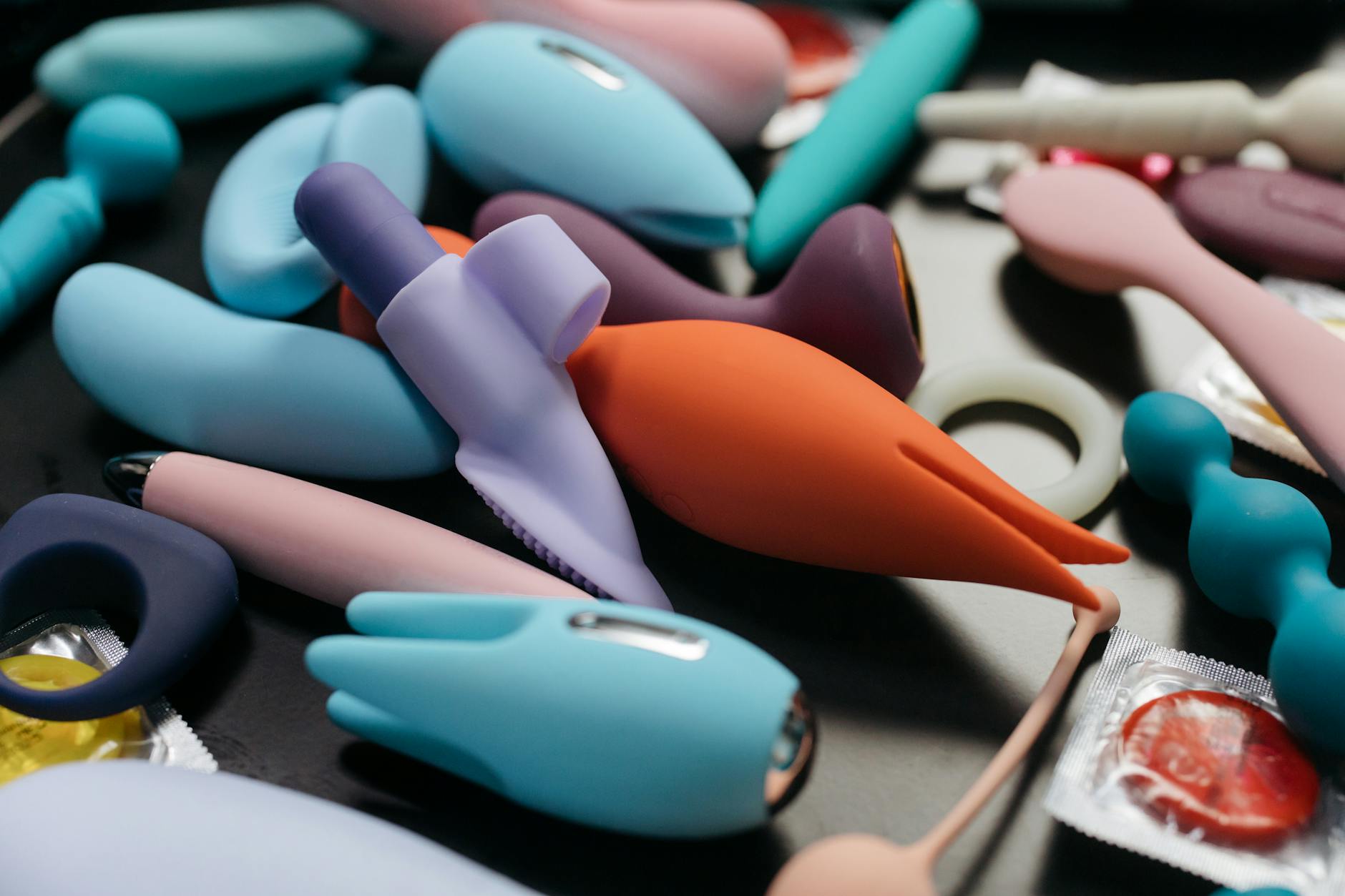
Photo by cottonbro studio on Pexels
When you're actually ready to start
Four signs that gentle external stimulation is okay to try.
1. Your doctor has cleared it. This is non-negotiable. Even if you feel fine, even if two weeks have passed, get explicit permission. Different procedures have different healing timelines. Don't guess.
2. You're not bleeding or spotting. Any ongoing bleeding means the internal healing isn't finished. Wait.
3. You don't have sharp pain. Cramping or dull aching is common. Sharp, stabbing pain is your signal to stop. Cramping might even ease with gentle stimulation (sometimes orgasm helps), but sharp pain means something isn't ready yet.
4. You're taking it slowly. Your first attempt shouldn't be a full session. It should be 5-10 minutes of gentle exploration at the lowest intensity level.
Start with water-based lubricant. Your tissues might be drier than usual because of inflammation or medication. Lubrication makes everything easier and safer. Use only one finger to explore externally first, then introduce the vibrator at a low setting. Notice what feels good and what doesn't.
The mental part might be harder than the physical part
Your body just went through something. Even if you're physically healed, there's often a layer of fear or disconnection. You might worry that pleasure will cause damage. You might feel like your body is still "not yours." You might carry shame about wanting pleasure while you're "supposed to be recovering."
That's so common, and it's worth naming. Here's what I know: pleasure during recovery isn't selfish or reckless. It's a way of reclaiming your body. It's a way of saying "I'm still me, and I still get to feel good." The clitoris doesn't know you had surgery. It just knows stimulation. And gentle stimulation can feel grounding, not dangerous.
If you're with a partner, how you communicate about this matters enormously. They might be scared to touch you. They might feel guilty for wanting sex when you're healing. You might feel touched out after medical procedures. All of this is normal. The conversation worth having isn't "when can we have sex again," it's "what would feel good to both of us right now."
Sometimes that answer is lemon vibrators. Sometimes it's just being held. Sometimes it's solo exploration. All of it is valid recovery.
Managing sensation sensitivity after procedures
Some procedures sensitize the clitoris. Some desensitize it. Dilation and curettage, ablation, and certain laser procedures can change sensation temporarily. If you feel numb or overly sensitive, lemon vibrators are particularly useful because you control the intensity so precisely.
Start at setting 1 or 2 if you're numb. The suction mechanism activates nerves without friction. As healing progresses, you can move up to settings 3 or 4. If sensation feels hypersensitive, stay low for longer. There's no rush.
Many of my clients find that their clitoral sensitivity normalizes around 8-12 weeks post-procedure. Some notice it shifts earlier. Some take longer. The variation is massive, and it's all normal.
What to avoid
Don't use a vibrator if you have an active infection. Don't use it if you're bleeding. Don't use it if your doctor said "nothing in or near the vagina," even if nothing is technically "inside." Don't push through pain. Don't ignore unusual discharge, fever, or worsening cramping.
If you're using anything insertable, wait longer than the external timeline. Internal healing takes more time, and the risk of infection is real. Your doctor's guidance on that should be your floor, not your starting point.
Rebuilding confidence in your body
Recovery is about more than not getting infected. It's about remembering that your body is capable of pleasure. That you deserve pleasure. That healing and sexuality aren't opposites. Lemon vibrators can be part of that rebuilding because they're gentle, controllable, and honestly, they feel really good.
When you're ready to restart, navigating different sensation needs during recovery is part of the journey too. Your pleasure might look different for a while. That's not failure. That's adaptation.
Start low. Go slow. Listen to your body. Communicate with your partner if you have one. Give yourself permission to explore pleasure without guilt. You've been through something. Pleasure is part of coming back to yourself.
People also ask
Can I use a lemon clitoral vibrator immediately after a gynecological procedure?
Not immediately, no. You need to wait for your doctor's clearance, which is typically 4-6 weeks depending on the procedure. Even then, start slowly. Immediate use risks infection, bleeding, and increased inflammation. Once your doctor says external stimulation is okay, begin at the lowest intensity for just a few minutes.
Will using lemon vibrators delay my healing?
Gentle external clitoral stimulation won't delay healing if you've waited for your doctor's clearance and you're not causing pain or bleeding. In fact, some research suggests that orgasm can improve pelvic floor function after certain procedures. The key is gentle. If it causes cramping, bleeding, or sharp pain, stop and wait longer.
Is it normal to feel numb after surgery?
Yes. Swelling, anesthesia aftereffects, and inflammation can temporarily numb the clitoris. This usually resolves within 8-12 weeks as healing progresses. Lemon vibrators at low settings can help you reconnect with sensation without overwhelming already-sensitive tissue.
What if my partner wants to use a vibrator on me and I'm nervous?
Communicate first. Tell them what your doctor cleared you for. Tell them about any pain or numbness you're experiencing. Ask them to start gently and watch your face for signs of discomfort. If you're worried, have your partner start by hand first, then introduce the vibrator at the lowest setting. You control the pace and intensity.
Can I use lubricant with my lemon vibrator during recovery?
Absolutely. Water-based lubricant is your friend during recovery. Your tissues might be drier than usual from inflammation or medication. Lubrication makes stimulation more comfortable and reduces friction. Silicone-based lubes can damage silicone toys, so stick to water-based.
What signs mean I should stop and see my doctor?
Stop and contact your doctor if you experience sharp or stabbing pain, unusual bleeding or discharge, fever, increasing swelling, or any sign of infection. Mild cramping is sometimes normal, but severe cramping that doesn't ease is worth checking out. Your body will tell you if something isn't right. Listen to it.
Final word
Your body went through something. It deserves care, patience, and also pleasure. Those things aren't in conflict. Recovery doesn't mean existing in a pleasure-free zone until your doctor says "you're healed." It means moving slowly and thoughtfully back toward sensation, connection, and joy. Lemon vibrators can be part of that journey because they let you control intensity, and they feel incredible. Start low. Wait for clearance. Listen to your body. You'll know when you're ready.