
Let's name the thing nobody talks about
You want to explore pleasure alone. You have the urge, the curiosity, maybe even the device. And then a voice shows up, usually not your own. It sounds like your mother's disappointment, or your ex's criticism, or some random cultural narrative about what "good" people do or don't do. The voice says: "That's not normal. That's selfish. That means something's wrong with your relationship." And suddenly the desire evaporates.
This is not a character flaw. This is internalized shame, and it's wildly common.
I've worked with hundreds of clients over decades in family therapy, and I can tell you with certainty: the barrier to sexual pleasure isn't usually physical. It's the weight of judgment you've absorbed since childhood. That weight doesn't disappear when you buy a vibrator. If anything, it gets louder when you're alone with it.
Where the shame actually comes from
We grow up in cultures that treat women's pleasure like a suspicious thing. You learn early that your sexuality is either for someone else (a partner, a relationship) or it doesn't exist at all. Solo pleasure isn't mentioned. It's not modeled. It's not normalized. So when you want it, you feel like you're breaking an unspoken rule.
Add a partner to the equation and the shame gets more complex. You worry they'll feel inadequate. You worry it means the relationship is failing. You worry they'll think less of you. These worries are reasonable given how much cultural messaging frames a partner's job as being your sole source of pleasure. It's a lot of pressure on both people.
The truth is simpler: solo pleasure and partnered pleasure are completely different experiences. They serve different functions. Solo pleasure is exploration, tension relief, self-knowledge, pure joy with zero performance required. Partnered pleasure involves negotiation, vulnerability with someone else, and yes, sometimes performance. Both are valid. Both are healthy. The shame is the only thing that actually breaks things.
Why lemon vibrators specifically help with this
Lemon clitoral vibrators like The Lem work so well partly because they're designed around what actually feels good, not around what's supposed to feel good. They use suction and pulsing patterns that don't require you to perform or explain or justify anything. You turn it on. You feel what you feel. No narrative required.
But here's the deeper thing: the physical design matters less than the psychological permission they can grant. Holding a device that exists solely for your pleasure is different than using your fingers. It's an object that says, "This is intentional. This is real. This is allowed." That permission is powerful when shame has been telling you the opposite for decades.
The mechanics of using lemon adult toys when shame is in the room
Start small, literally and psychologically. You don't have to dive into intense patterns or extended sessions. Set a timer for ten minutes. Turn off your phone. Close the door. This isn't about performance or achievement. It's about proving to yourself that the shame is lying.
When the critical voice shows up (and it will), name it. "That's my mother's voice, not mine. That's culture, not truth." You don't have to fight it or convince yourself it's wrong. Just notice it and keep going. The shame will fade, but not because you argue with it. It fades because you're doing the thing anyway.
With a partner, timing matters. This conversation doesn't need to happen during intimacy or right before. Pick a neutral moment. Say something like, "I want to explore solo pleasure for me. It's not about anything we do or don't do together. It's about knowing my own body." Most partners who care about you will respect that. If they don't, that's information too.
Building a practice when shame keeps interrupting
Consistency beats intensity. Five minutes three times a week is better than a forced hour-long session full of internal criticism. The goal isn't an orgasm (though those might happen). The goal is to practice permission.
Over time, something shifts. Your nervous system learns that solo pleasure doesn't mean neglect of your relationship. It doesn't mean you're broken or selfish or abnormal. It just means you're a person with a body that deserves attention.
This is where relationship dynamics change, too. Partners who see you claiming your own sexuality often become more interested partners themselves. Not because you're more available, but because you're more present. There's no resentment simmering underneath. There's no unexpressed desire. You're not waiting for someone else to give you permission to feel good.
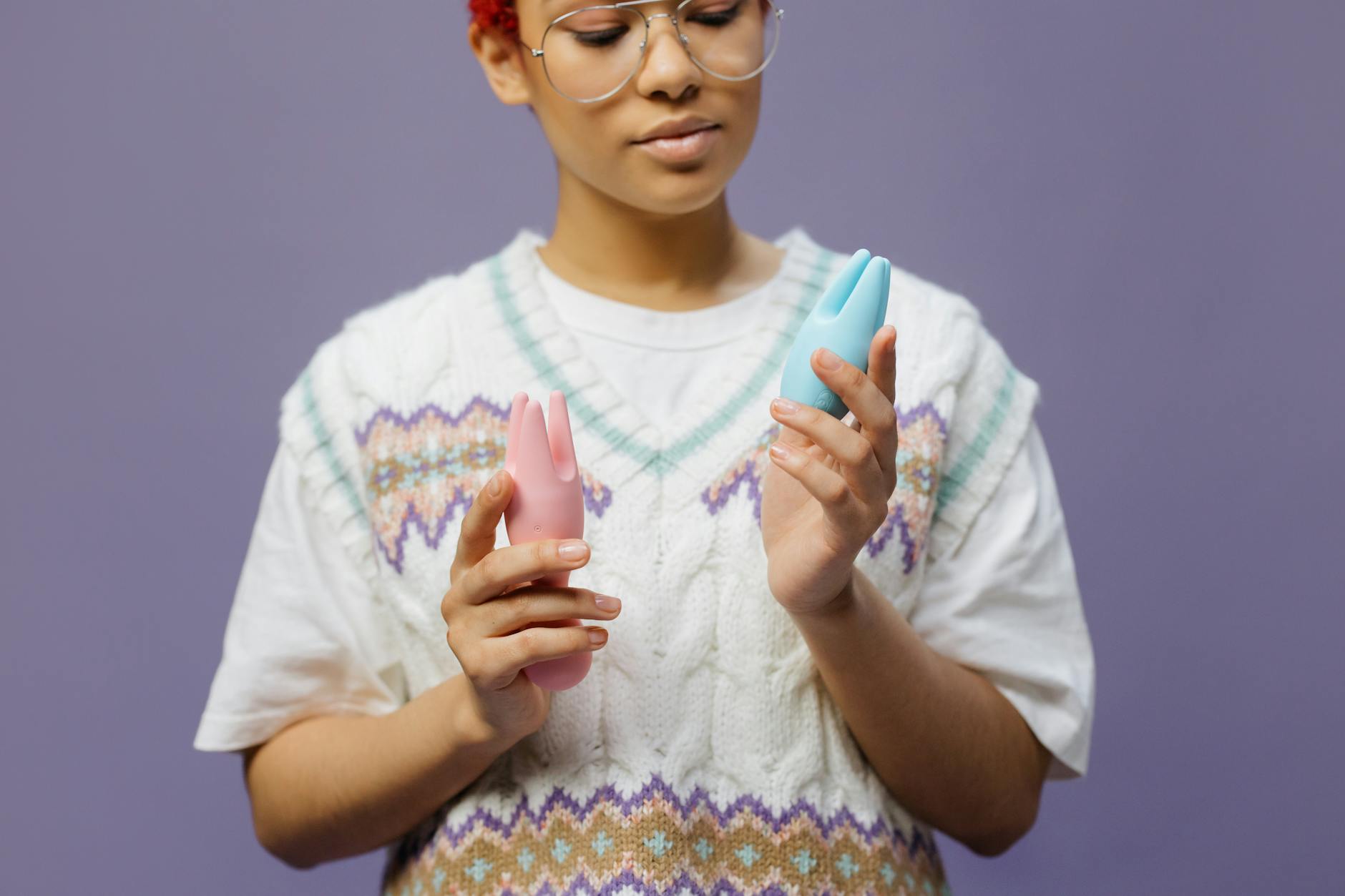
Photo by cottonbro studio on Pexels
The role of lemon sexual toys in rewriting your story
A quality lemon vibrator isn't a Band-Aid for shame. It's a tool for practicing what permission feels like. The physical sensation matters. So does the simple act of prioritizing yourself.
You deserve pleasure that isn't conditional on someone else's desire or availability. You deserve to know what feels good to your own body. You deserve to take up space in your own sexuality.
If you're in a relationship, this isn't a threat to that relationship. It's an investment in it. When you stop outsourcing your pleasure entirely, when you stop waiting for someone else to activate you, you become a fuller partner. You know what you want. You can ask for it. You're not resentful. You're not performing. You're present.
When the shame is really deep
If the voice is so loud you can't override it alone, therapy helps. I'm not saying that lightly. Some people have absorbed so much shame that their nervous system actually rebels against pleasure. That's not a personal failure. That's what happens when you're told your own body is suspicious for long enough.
Working with a therapist who specializes in sexual health or relationship dynamics can help you untangle that. It takes time. But it's worth it.
In the meantime, know this: using a lemon clitoral vibrator isn't selfish. It's not a sign that something's wrong. It's not a betrayal. It's you choosing yourself. That's the bravest thing you can do when every system around you has spent your whole life telling you not to.
FAQ: Solo pleasure, shame, and lemon vibrators
Does using a vibrator mean my partner isn't enough for me?
No. This is one of the most persistent myths and it costs people a lot of joy. Solo pleasure and partnered pleasure are completely different. One isn't a referendum on the other. Your body has multiple types of sensation it can enjoy. A vibrator explores some of those. A partner explores others. Your partner's touch, presence, and connection matter in ways a device never will. A device explores physical sensation in ways a partner might not. Both are real.
What if my partner finds out and feels threatened?
That depends on your partner. Some partners genuinely understand that solo pleasure is separate from partnered sexuality. Others have their own shame or insecurity and project it onto you. If your partner reacts with anger or jealousy, that's worth examining. A healthy partner wants your pleasure, even if it's not with them. That said, you don't need permission from anyone to do this. Your body belongs to you.
Can lemon vibrators help me orgasm if shame has made that hard?
Maybe. Sometimes shame literally blocks orgasm because you can't relax enough to let it happen. A tool designed around pleasure, like a lemon clitoral vibrator, can help because it removes some of the performance pressure. But if orgasm has been blocked for a long time, that might need deeper work. Either way, the exploration itself is valuable, whether or not an orgasm shows up.
How do I start this conversation with myself if I've always believed solo pleasure was wrong?
Gently. You're essentially asking your nervous system to unlearn decades of messaging. That takes time. Start by noticing the shame without judgment. "I feel uncomfortable. That makes sense. That's what I was taught." Then do the thing anyway, in small doses. Your body will slowly learn that pleasure is actually safe.
Is it normal to feel guilty after using a lemon vibrator, even though I know it's healthy?
Very normal. That guilt is learned, not natural. It's there because you were taught that your pleasure is something to apologize for. It usually fades as you practice permission. But if it stays intense, that's a sign you might benefit from talking to someone, whether that's a therapist or a trusted friend who gets it.
If I'm single, does solo pleasure matter less than if I'm partnered?
Not at all. Single people benefit hugely from knowing their own bodies. You learn what feels good. You learn what you want from a partner. You practice pleasure without the complication of someone else's needs. When you do get into a relationship, you're not entering it desperate for someone to activate you. You're entering it as someone who already knows how to feel good.
The bottom line
The shame you feel about using lemon sexual toys isn't truth. It's a narrative you inherited. You have permission to ignore it. Your pleasure matters. Solo exploration matters. And the person best positioned to give you that permission is you.
Start small. Start alone. Start with permission. The rest builds from there.
If you're ready to explore but feeling stuck, reach out. Or read more about how other people navigate pleasure on their own terms in our guide to solo pleasure without performance pressure.