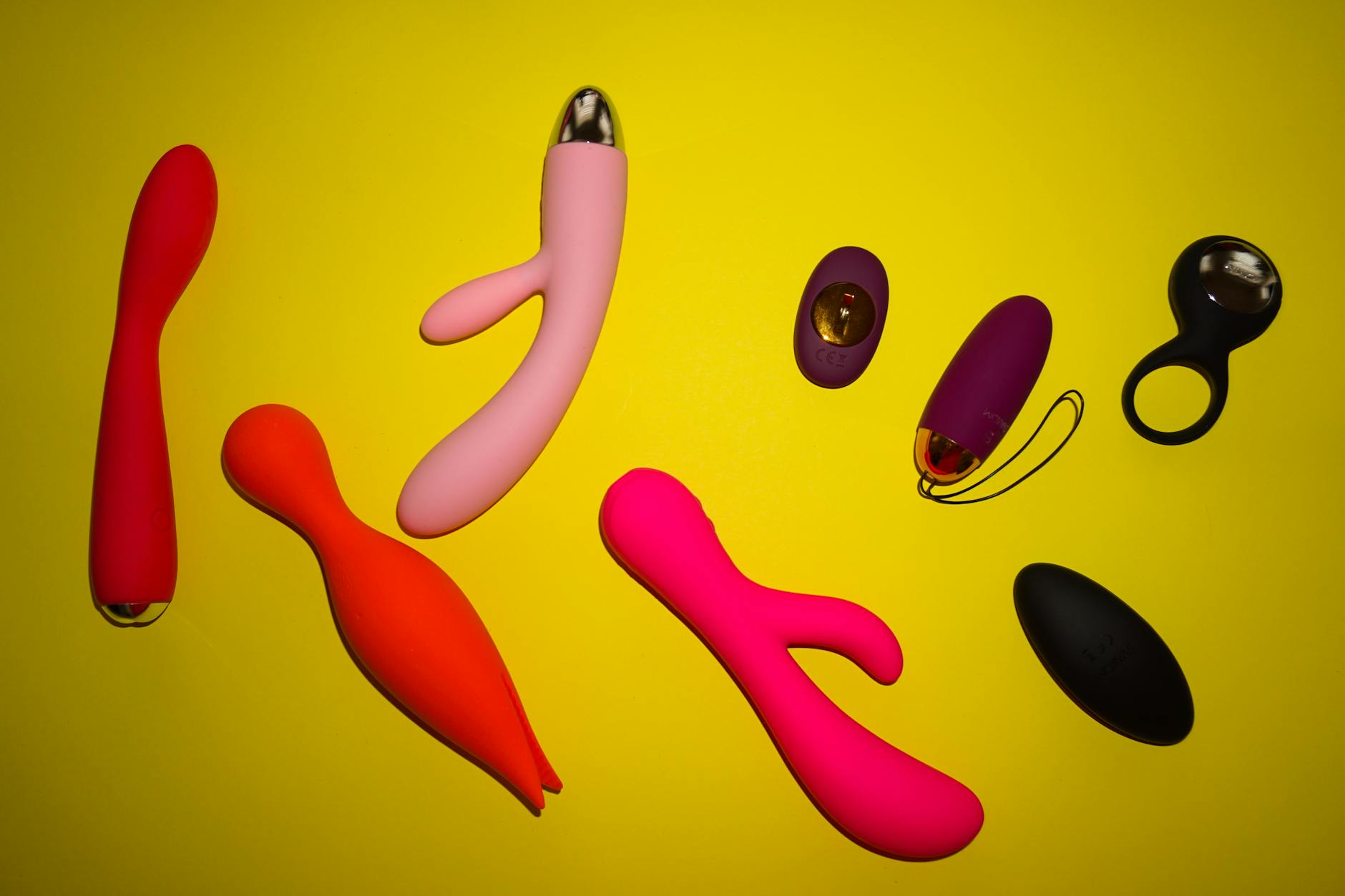
Let's name what actually happened
There's a difference between not having sex and being unable to have sex. One is circumstance. The other feels like your body forgot you. Most people who take a long break from sex end up in that second bucket, telling themselves the machinery is broken when really what's broken is the permission they've given themselves to want anything at all.
Here's what I know from years working with couples: the longer the break, the more the shame attaches itself to the desire. By the time you're ready to reconnect, you're not just restarting physically. You're negotiating with guilt, uncertainty, and a body that feels like a stranger.
Why lemon vibrators make a difference when you're coming back
A lemon clitoral vibrator works because it asks nothing of you except that you show up. It doesn't require negotiation, performance, or someone else's timing. This matters enormously after a long break because you're not just rebuilding physical sensation. You're rebuilding trust in your own body.
Lemon vibrators use gentle suction rather than traditional vibration. That means they stimulate without requiring the kind of direct friction that can feel overwhelming when you haven't been touched in months. The sensation is concentrated but feels less aggressive, which lets your nervous system relax into it instead of bracing against it.
There's also something psychologically important about the design. A lemon vibrator is playful. It's bright. It doesn't whisper "you're broken." It says "this is supposed to feel good." That tone matters more than you'd think when shame is the thing you're actually fighting.
The pacing strategy that actually works
Most people who take a long sexual break try to jump back in at full intensity. They see a partner, they feel desire, and they assume they should be able to pick up where they left off. This is the fastest route to disappointment and disconnection.
Instead, think of reconnection in phases. Lemon vibrators are perfect for phase one because they let you rebuild sensation awareness entirely alone.
Phase one: sensation mapping. Set aside 20 minutes when you're not tired or stressed. Use a lemon vibrator at the lowest setting. The point isn't orgasm. The point is noticing what you feel. Where does the sensation travel? Does it feel sharp or diffuse? Does your breath change? Does your clitoris respond immediately or does it take time to wake up? Most people are shocked at how much they notice once they stop trying to perform.
Phase two: rhythm discovery. Now you're looking for patterns. Some people find that certain patterns of suction feel better than vibration. Some need longer warm-up time than they remember. Others discover their body has changed. That's not bad. That's information.
Phase three: adding pleasure without pressure. Once you understand your solo response, you have actual data to bring into partnered sex, if that's in your picture. You can say "I need five minutes at low intensity first" instead of guessing and disappointing both of you.
The body memory thing (it's real)
Your clitoris has roughly 8,000 nerve endings. Those don't atrophy from disuse. What atrophies is the neural pathway that says "this is pleasure, allow it." That pathway gets dusty after a long break.
Lemon vibrators help rebuild that pathway through repetition and sensation. You're not rewiring anything complicated. You're reminding your nervous system that pleasure is safe, that your body remembers how to respond, and that you deserve to feel good.
Some people notice this shift in two or three sessions. Others need weeks. Both are completely normal. The timeline matters less than the consistency. Using a lemon clitoral vibrator twice a week for three months will do more for you than one intense session.
Managing the emotional stuff
Here's what I see happen a lot: someone reconnects to pleasure and immediately feels guilty. They think "I don't deserve this" or "I'm being selfish" or "I should have already moved past this." Those thoughts are trauma talking. They're not truth.
When guilt shows up during solo pleasure, you have a choice. You can listen to it, or you can notice it and keep going. I usually recommend the second option. Every time you choose pleasure over shame, you're training your nervous system to prioritize what feels good over what feels safe. That's the real work.
What if you're hoping this connects to partnered sex
If you're rebuilding your sex life with a partner, the mistake most couples make is treating your solo pleasure like a warm-up for theirs. It's not. Your solo practice is for you. It's about rebuilding trust in your own body before you ask that body to coordinate with someone else.
Once you've done that solo work, you can bring a lemon vibrator into partnered sex, but the intention shifts. Now it's about exploring together. That's when you get the play, the novelty, and the shared discovery. But that only works if you've already done the foundational work of knowing what you want alone.
If your partner is uncomfortable with you using a lemon vibrator, that's worth a separate conversation. You might find our piece on using lemon vibrators when your partner won't talk about sex helpful for that. But the short version: your pleasure is not negotiable.
The timeline realness
A six-month break is different from a six-year break, and both are different from a two-year break. But I've worked with people across all of those timelines, and I can tell you that the physical reconnection is usually the easy part. It's the emotional permission that takes time.
After a year without sex, most people report noticeable physical response within 4-6 weeks of consistent solo exploration with a lemon clitoral vibrator. After multiple years, it might take 8-12 weeks. The variation comes down to how much shame is layered on top, and how much you're willing to interrogate that shame.
When to bring in professional support
If pain shows up, don't push through. If numbness is total and doesn't shift with practice, or if anxiety spirals every time you try, those are signs to talk with a therapist or sex educator. A lemon vibrator is a tool, not a cure for trauma or medical issues.
Most people don't need that level of support. Most just need permission, a tool that feels good, and consistency. But if you're in the minority that does, there's no shame in getting help. That's actually the fastest route back to pleasure.
The part nobody says out loud
Reconnecting to sex after a long break is grief work dressed up as arousal. You're mourning the version of yourself who had sex regularly. You're grieving whatever circumstances created the break. You're working through the story you told yourself about what that break means about you.
A lemon vibrator can't fix that grief. But it can gently hold space for it while your body remembers that pleasure is still available. And sometimes that's exactly what you need to believe in your own future.
People also ask
How long does it typically take to feel comfortable using a lemon vibrator after a long sexual break?
Most people report feeling comfortable and relaxed within 2-3 sessions if the break was under a year. After 3-5 years away from sex, it often takes 4-6 weeks of consistent exploration before sensation fully wakes back up and shame stops interrupting the experience. The variability depends on how much guilt you're carrying and whether you're practicing in a genuinely private, pressure-free environment. Set realistic expectations and commit to showing up for yourself regularly.
Is it normal for clitoral sensation to feel numb or different after months or years without sex?
Completely normal. Your clitoris hasn't physically changed, but the neural pathways that signal pleasure need stimulation to stay responsive. Think of it like a muscle you haven't used. When you start using a lemon vibrator again, you're rebuilding that communication between your body and brain. Sensation usually returns gradually as you practice consistently. If numbness persists after 8-12 weeks of twice-weekly sessions, consult a healthcare provider to rule out other causes.
Can I use a lemon vibrator if I'm nervous about solo pleasure?
Absolutely. Anxiety is one of the most common barriers when reconnecting to sex, and a lemon clitoral vibrator actually works well for anxious systems because the suction-based sensation is gentler than traditional vibration. Start with 10 minutes instead of 20. Use the lowest setting. Give yourself permission to stop whenever you want. You're retraining your nervous system that pleasure is safe, and that process takes time for people with anxiety. There's no rush.
Should I tell my partner I'm using a lemon vibrator to reconnect to my body?
That depends on your relationship and your comfort level. If you're in a partnership where sexual communication feels safe, transparency builds deeper connection and removes shame. If you're in a relationship where disclosure would create conflict or judgment, your solo pleasure is still valid and private. The goal is to reconnect to your own body without guilt, whatever that looks like in your situation.
What if I experience pain when trying to reconnect with a lemon vibrator?
Stop and don't push through. Pain is information. It might signal that you need more warm-up time, more lubrication, or that there's an underlying physical or emotional issue that deserves professional attention. Consult with a gynecologist if pain persists, especially after a long break, as lubrication and tissue changes are common and easily treated. A sex educator or therapist can also help if the pain feels more psychological than physical.
Can lemon vibrators help if I'm reconnecting with a partner after years apart?
Yes, but in a specific way. Solo practice with a lemon clitoral vibrator helps you rebuild your own pleasure awareness first. That solo foundation makes partnered sex better because you already know what you want and how your body responds. You can bring that knowledge into the relationship rather than expecting your partner to figure you out all over again. Many couples find that one partner's solo practice actually strengthens their connection because it removes the performance pressure from partnered sex.