Let's talk about what happens to your pelvic floor after surgery or birth
Your pelvic floor is a muscle group, which means it can get tired, injured, or weakened. When that happens through childbirth, pelvic surgery, radiation, or prolonged recovery, pleasure changes. You might feel less sensation, less stability, or less control. That's not permanent, but it's real, and it matters.
Here's what I tell my clients who are frustrated by this shift: the pelvic floor is a muscle like any other. It can rebuild. And the tools that work best for rebuilding aren't punitive. They're ones that let you stay connected to pleasure while you're healing.
Why lemon clitoral vibrators are different for pelvic floor recovery
Most vibrators demand grip strength and engagement from your pelvic floor. Air-suction devices like The Lemon work differently. They use gentle pressure waves instead of direct vibration, which means you don't have to "hold on" to the sensation. Your pelvic floor can relax while your clitoris gets stimulated. That's crucial when you're rebuilding.
When pelvic floor muscles are weakened, tension often shows up as compensation. Your body grips tighter to try to feel something. That grip actually slows recovery. Lemon sexual toys bypass that entirely because suction stimulates nerves without requiring muscular engagement. You can feel pleasure without bracing.
What changes after pelvic floor injury
Three main shifts happen:
Reduced sensation in the clitoris and vulva. Nerves get bruised, stretched, or irritated. Sensation usually comes back, but it takes weeks or months. In the meantime, standard vibrators might feel too intense or feel like nothing at all.
Loss of muscle tone and support. Your vaginal opening might feel looser. The clitoral hood might feel less protective. This can make direct vibration uncomfortable because there's less cushioning.
Changed orgasm patterns. Without full pelvic floor support, orgasms might feel different. Shallower, more scattered, or harder to build toward. Some people experience involuntary urine leakage during or after orgasm, which creates fear around pleasure itself.
All of this is temporary. But temporary doesn't mean it doesn't matter right now.
The recovery timeline and what to expect
Pelvic floor rehabilitation typically takes 3 to 6 months, sometimes longer. That's not a guess. That's what research on post-birth and post-surgical recovery shows. Your pleasure doesn't have to be on hold that whole time, but your approach needs to shift.
Weeks 1 to 4: Avoid anything that demands muscular engagement. This means hands-off exploration only. If you use any device at all, it should be something like The Lemon on the lowest setting, with lots of lubrication and zero pressure expectations.
Weeks 5 to 12: Gentle reintroduction. Short sessions, low intensity, focus on what feels good rather than chasing orgasm. This is where many people get frustrated, but this window is actually where you're rebuilding the neuromuscular connection.
Months 4 plus: Slow progression. As your therapist clears you and as sensation returns, you can gradually increase duration and intensity.
How to use lemon vibrators during pelvic floor recovery
Start with external stimulation only. Your clitoris heals faster than internal tissues, and external sensation usually returns sooner. The Lemon is designed for external stimulation, which makes it ideal.
Use the lowest setting first. Most people assume they need high intensity to feel anything. During recovery, intensity often makes numbness worse because it's overwhelming your nervous system. Low intensity allows your body to process sensation without shutting down.
Budget 15 to 25 minutes and abandon the orgasm goal. This is the hardest part, and I get it. But pelvic floor recovery is neurologically different from normal pleasure. Your body is literally rewiring connections. Chasing orgasm creates performance pressure, which creates tension, which slows healing. Instead, aim for "sensation exploration." Does the left side of your clitoris feel different than the right? Does suction feel different than vibration? This curiosity accelerates recovery more than orgasm chasing does.
Apply a generous amount of water-based lubricant. Recovery tissues are more fragile. Lubrication reduces friction stress and makes sensation more comfortable. It also signals to your nervous system that this is safe, which genuinely helps healing.
Stay in a relaxed position. Lying on your back with a pillow under your hips takes pressure off the pelvic floor. Sitting creates gripping. Standing can trigger compensation patterns. Lying down is the recovery position.
The emotional piece nobody talks about
Pelvic floor recovery comes with real grief. You've lost something you took for granted. Your pleasure feels broken. Your body feels unreliable. That's not small, and it's not something to rush past.
Many of my clients report shame around this. You feel broken in a way that's invisible to everyone else. You're healing internally but your body looks fine, so people expect you to be fine. You're not. That's legitimate.
Here's what I want you to know: rebuilding pelvic floor function and reconnecting to pleasure are two separate journeys that happen at the same time. One is physical. One is emotional. The Lemon can help with the physical part, but you also need to be patient with yourself emotionally. You're allowed to feel frustrated. You're allowed to feel scared about whether things will ever feel normal again. And statistically, they usually do. But that knowledge doesn't eliminate the current experience.
If you're working with a partner, this conversation is crucial. "My body is healing and sex feels different right now" is very different from "I don't want to be intimate with you." If those two things get tangled, you end up with relationship resentment on top of physical recovery stress. Get specific about what's true: What does your pelvic floor recovery need right now? What does your relationship need? Can lemon clitoral vibrators fill a gap while you're both waiting for full recovery?

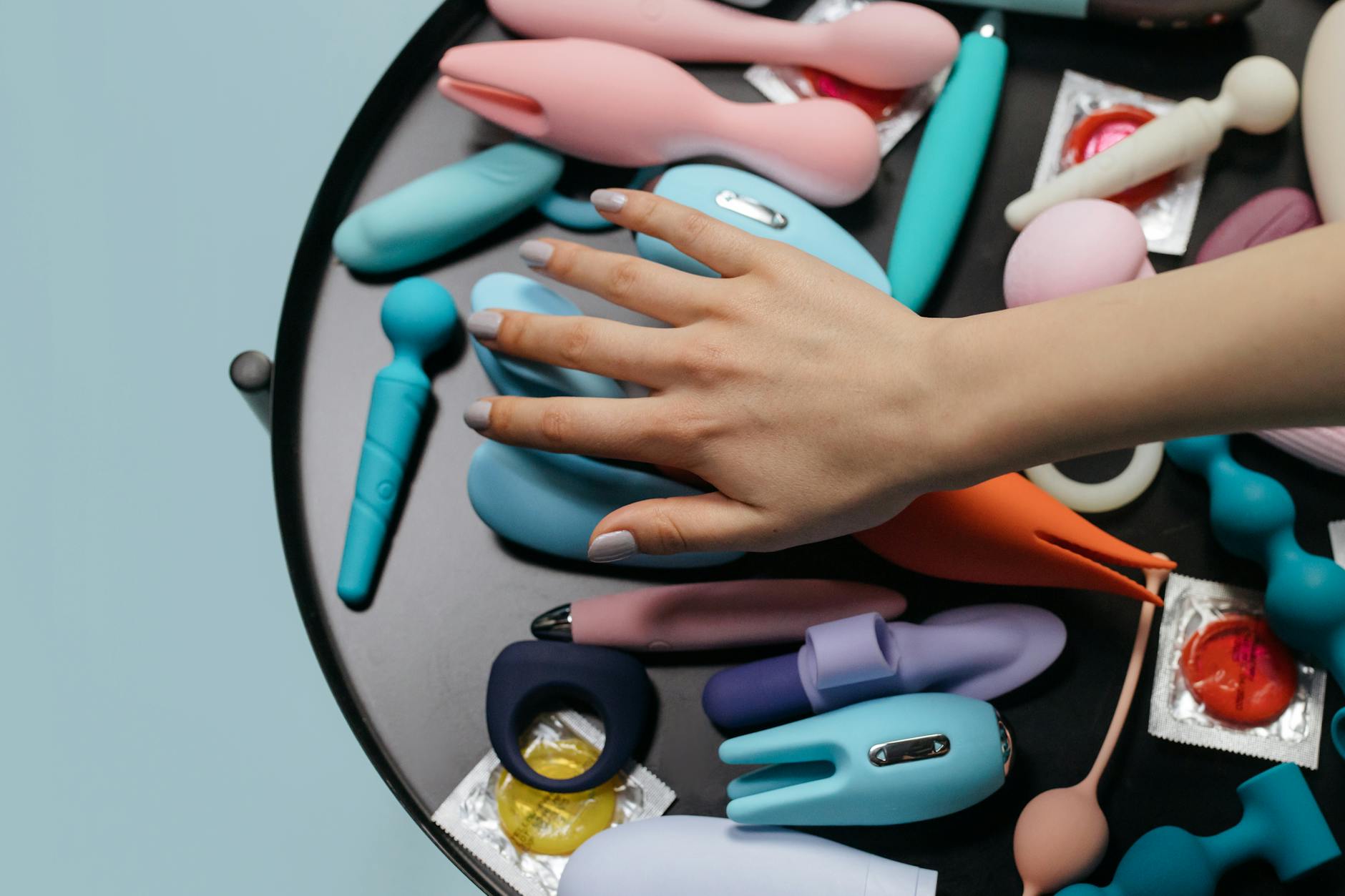
Photo by Madison Inouye on Pexels
When to see a pelvic floor physical therapist
If you're past 6 weeks post-birth or post-surgery and numbness hasn't improved at all, see a pelvic floor specialist. Nerve damage that lasts longer than expected sometimes needs targeted treatment.
If pain is present during any stimulation, stop and get evaluated. Pain during recovery can signal scar tissue buildup or inflammation that needs professional intervention. Don't power through it. That's not healing, that's harm.
If you're leaking urine during sexual activity and it's causing you to avoid pleasure altogether, ask your therapist about pelvic floor exercises designed specifically for this. (Hint: sometimes "do more Kegels" is actually the wrong advice. Sometimes your pelvic floor needs to learn to relax instead.)
A physical therapist will assess muscle tone, scar tissue mobility, and nerve function. They can tell you exactly what your pelvic floor needs and when it's safe to progress. That information is worth the appointment.
Rebuilding confidence alongside physical healing
One thing I notice with my clients is that physical recovery and emotional recovery run on different timelines. Your pelvic floor might be 80% healed but your mind is still bracing for pain. That mismatch creates unnecessary tension, which slows the last 20%.
Low-pressure exploration with a tool like The Lemon helps bridge that gap because it gives your nervous system evidence that pleasure can still happen. Evidence is more powerful than reassurance. You're literally retraining your body to associate sensation with safety instead of threat.
This is why starting at the lowest setting matters, even if you suspect you could handle more. You're not proving capability. You're establishing safety. Once your nervous system has several positive experiences, intensity naturally becomes possible again.
The long view
Pelvic floor recovery is temporary. Most people regain full function within 6 months. Full sensation and pleasure usually return. Your recovery isn't linear, but it is possible. And during the healing window, lemon vibrators designed for external stimulation and low-intensity pleasure can help you stay connected to yourself while you rebuild.
Your pleasure matters. Even during recovery, especially during recovery. You're not being impatient or unrealistic by wanting to reclaim sensation and satisfaction. You're being realistic by choosing tools and approaches that honor where your body actually is right now.
FAQ
Can I use a vibrator if I'm still in acute pelvic floor pain?
No. If you're experiencing active pain, any stimulation is going to compound inflammation. Wait until you're pain-free at rest. Once pain is gone and your doctor or therapist has cleared you for sexual activity, you can start with lemon vibrators at the lowest setting. Pain and healing are different signals. Pain means stop.
How do I know if my pelvic floor is healed enough to try pleasure again?
Your physical therapist or OB can do a manual assessment of muscle strength and tissue integrity. Generally, if you can walk comfortably, do daily activities without pain, and have been cleared for sexual activity by your doctor, you can start gentle exploration. Gentle exploration with lemon clitoral vibrators is different from what you were doing before recovery. It's lower pressure on purpose, not because you're still injured.
Will using a vibrator make my pelvic floor recovery take longer?
No, but high-intensity or aggressive use will. That's why low-intensity suction devices work better during recovery than traditional vibrators. You're not forcing engagement. You're practicing gentle stimulation while your nervous system heals. There's a difference.
What if orgasms feel different even after my pelvic floor is fully recovered?
That's common and usually temporary. Your nervous system learned a fear response during recovery. Some clients report that sensation feels muted or disconnected even after physical healing is complete. A pelvic floor therapist or sex therapist can help rewire that. In the meantime, keep exploring at your own pace. Your orgasms will find their way back to feeling normal, but it sometimes takes months of positive experiences to overwrite the recovery period.
Is it normal to feel anxious about using a vibrator after recovery?
Completely normal. Your body experienced trauma, even if it's healing well. Anxiety is your nervous system being protective. Go slow. Use the lowest setting. Build positive associations gradually. If anxiety stays high, talk to a therapist. Pelvic floor recovery and trauma responses often happen together, and both need attention.
How long should I wait after birth or surgery before trying any stimulation?
Always follow your doctor's clearance for sexual activity, usually 6 weeks post-vaginal birth or 8 to 12 weeks post-cesarean. But clearance for penetration doesn't mean clearance for full intensity. Many providers don't distinguish between "you can have sex" and "your pelvic floor is ready for high-intensity sensation." Those are different. Start gentle regardless of clearance timing.
If you're navigating pelvic floor recovery and you're frustrated by the loss of pleasure, that frustration is legitimate. Recovery is temporary. Pleasure comes back. In the meantime, tools like lemon clitoral vibrators let you stay connected to yourself without forcing your body to do more than it's ready for. That's not settling. That's smart, compassionate healing.