Here's the thing nobody mentions: your clitoris isn't consistent
Your sensitivity changes. Not just month to month or year to year, but literally person to person. The same touch that feels electric with one partner might feel muted with another. The intensity you crave solo doesn't match what works when someone else is in the room. This isn't a flaw in your body. It's actually a sign that you're responsive to context, chemistry, and emotional presence in ways that matter.
When you add a lemon vibrator to the mix, you're not fighting your sensitivity shifts. You're working with them. The key is learning to read what your body actually needs in each situation, then choosing the right tool and intensity.
Why your sensitivity genuinely changes between partners
Three things happen simultaneously when you're with a different person:
Psychological presence matters wildly. When you feel safe, seen, and desired, your nervous system settles. Blood flow increases. Nerve endings become more responsive. With a partner you trust, your clitoris literally has more capacity to feel. With someone new or someone you're still navigating, your body might be more guarded. That's not dysfunction. That's wisdom.
Pacing and rhythm are unique to each person. One partner might build arousal slowly, giving your body 20 minutes to warm up fully. Another might move quickly, asking your clitoris to wake up in five. Neither is wrong, but they demand different responses from you. Your body adjusts its sensitivity to match the tempo it's receiving.
Emotional charge creates different baseline states. Sex with someone you're newly infatuated with hits differently than sex with a long-term partner, even if the long-term partner is the one you love more. The novelty, uncertainty, and adrenaline create a different kind of arousal. Your clitoris responds to that chemical state by shifting its own sensitivity.

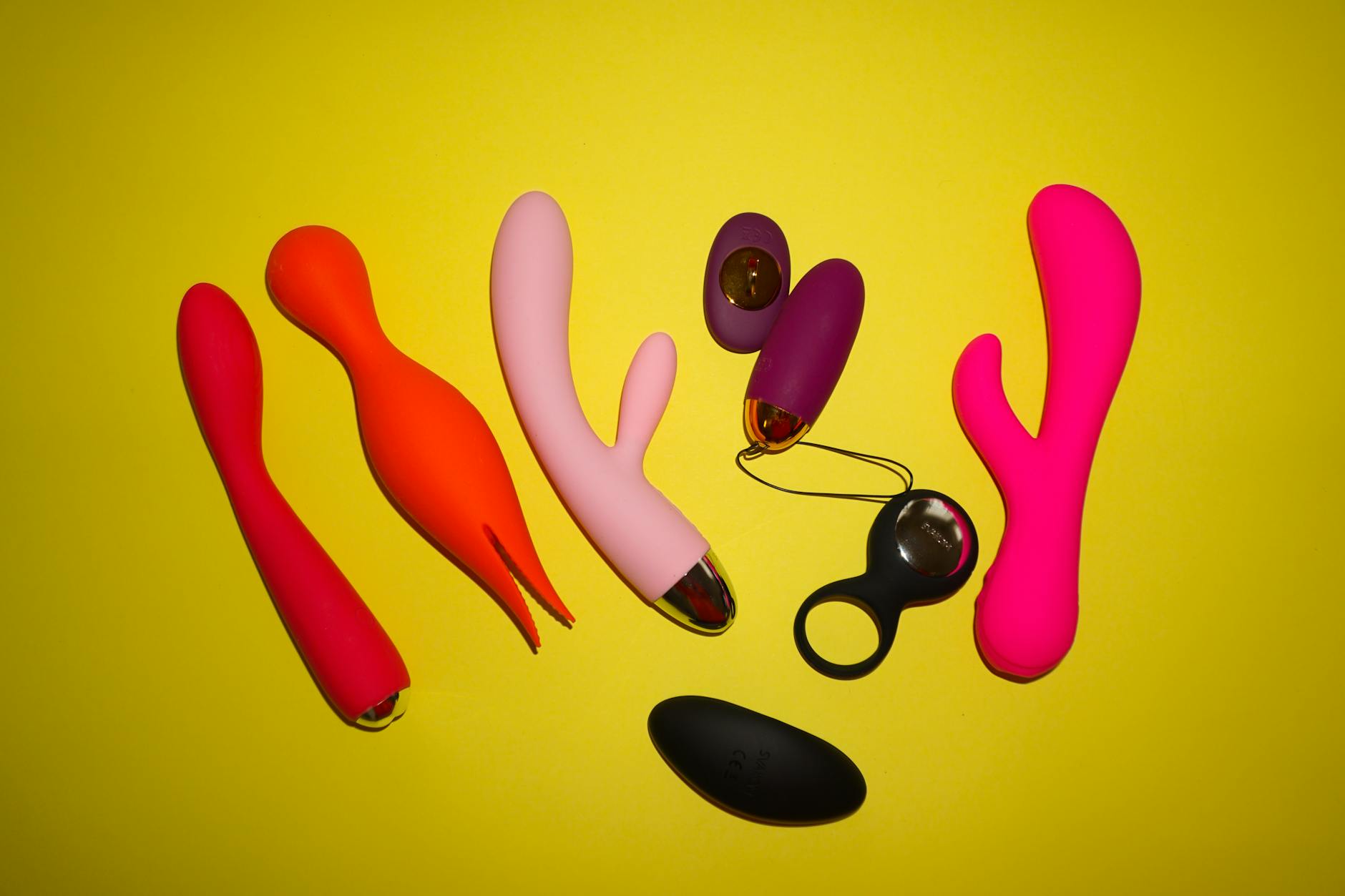
Photo by cottonbro studio on Pexels
How to read your body's signals before choosing a setting
Before you even reach for a lemon vibrator, spend two minutes noticing what's happening in your body right now. Are you already aroused, or are you starting from neutral? Is your clitoris already responsive to touch, or does it feel a bit numb? How long have you been with this partner, and how much trust is in the room?
These questions determine everything about intensity.
If you're already warm. If you've been kissing, touching, or building anticipation for 10+ minutes, your clitoris is probably already engorged and sensitive. This is the time to start lower. Patterns one through three on most clitoral vibrators are plenty. Your body doesn't need to work as hard to find stimulation.
If you're starting from neutral or cold. Sometimes sex happens quickly. Sometimes you're with someone new and your nervous system hasn't fully opened yet. This calls for a slower buildup and probably a longer warm-up phase without the vibrator. Use your partner's hands or mouth first. Let your clitoris wake up on its own timeline. When you introduce the lemon vibrator, you'll already have a clearer sense of what intensity feels right.
If it's a new partner. Emotional newness can make sensitivity unpredictable. Your body might be more responsive one night and more guarded the next, depending on how safe you feel or how much anxiety is present. Go gentler than you think you need to. You can always increase intensity. You can't unscare your nervous system mid-session.
The intensity gap: solo versus partnered
Almost everyone finds they prefer different intensity when they're alone versus with a partner. This is normal and worth planning for.
When you're solo, you can tune into exactly what your clitoris wants right now. You have full control. You can pause, restart, change patterns, and focus entirely on your own sensation. Most people use higher intensities when alone because there's no distraction, no performance, no coordination required.
When you're with a partner, your attention is divided. Part of you is focused on sensation, part on your partner's pleasure, part on the emotional experience. This divided attention often means you need more intense stimulation to feel the same level of sensation. The clitoral vibrator has to work a bit harder to cut through.
But here's the complication: if you go too high too fast with a partner, you can numb out. The intensity becomes too much, your body tenses instead of opens, and suddenly you're chasing sensation instead of finding it. The sweet spot is usually one or two settings higher than you'd use solo, but not maxed out.
How to talk about sensitivity with a partner without making it weird
Honestly though, the biggest barrier to finding the right intensity isn't the vibrator. It's the conversation.
Most people assume their partner should just know what feels good. Or they assume bringing up sensitivity changes means admitting something is wrong. Neither is true. Sensitivity shifts are normal. Talking about them is sexy, not disappointing.
Try this: "I want to explore this with you. Sometimes what feels amazing changes depending on where I'm at that day, or how we've been connecting. Want to figure out together what works right now?"
That's it. You're inviting collaboration instead of handing instructions. You're making it about discovery, not correction. From there, you can actually pay attention together. Ask your partner to start at a lower setting, see how it feels, and let you guide them up if you want more. This takes the guesswork out and makes the whole thing more intimate.
The practical setup for sensitivity shifts
Once you understand what your body needs, here's how to actually use a lemon vibrator in partnered situations:
Start external and low. Introduce the vibrator to your vulva before penetration (if penetration is part of your flow). Let your partner hold it at a lower intensity setting while you tell them what feels right. This gives your clitoris time to warm up and gives your partner actual data about your preferences.
Let intensity build with arousal. As you both get more excited, arousal naturally builds. This is when you can increase the pattern or intensity together. Your clitoris is now more engorged, more sensitive, more ready for stronger stimulation. The vibrator feels less intense now than it did five minutes ago, even though nothing changed except your body's state.
Maintain rhythm during penetration. If penetration happens, the vibrator can stay on your clitoris. Many people worry this will be too much, but partnered arousal can actually handle higher intensity than solo sensation because the overall experience is multisensory. The penetration, the emotional connection, the movement creates a different neural state. The vibrator becomes part of the whole symphony instead of the only thing happening.
Exit gracefully. Some people want the vibrator to stop right before orgasm. Some want it to keep going through. Some want it removed entirely after climax because the clitoris becomes too sensitive. Talk about this beforehand or simply notice what you actually want when you get there. There's no rule.
When sensitivity changes signal something deeper
If your sensitivity has shifted dramatically and consistently across partners, or if you used to respond to a certain intensity and now it doesn't work at all, check in with yourself about a few things.
Are you stressed or anxious? Chronic stress deadens sensation. Are you on new medication? Many medications affect clitoral sensitivity. Have there been major life changes? Relationship transitions, health shifts, or grief can all reshape how your body responds to touch.
None of these require you to abandon lemon vibrators. They just mean you might need to adjust your settings temporarily, or address the underlying thing that's shifted your baseline. If the change feels sudden or distressing, it's worth talking to a gynecologist or a therapist who specializes in sexual health. Sometimes the answer is as simple as better stress management or timing around your cycle.

Photo by Enric Cruz López on Pexels
Building a personal inventory
Over time, you'll probably figure out your sensitivity patterns. Write them down or just notice them. "With this partner, I prefer patterns two and three. With my ex, I wanted pattern five. Solo, I start at one and build to four." These aren't inconsistencies. They're data about how your body works.
This data becomes your instruction manual for partnered pleasure. When you move into a new relationship or reconnect with a long-term partner, you already know what you're looking for. You can be direct about it. You can help your partner understand your body faster. And you can stop second-guessing whether something is wrong with you.
Nothing is wrong. Your body is just responsive. That's actually the goal.
Common questions about sensitivity and intensity
Why does my clitoris feel numb when I use a high-intensity vibrator with a partner? High intensity plus divided attention can actually reduce sensation instead of increasing it. Your nervous system is getting too much input and shuts down responsiveness. Lower the intensity and see if feeling returns. Sometimes less is literally more.
Should I always tell a new partner about my sensitivity preferences before we do anything? You don't need a whole orientation. But in the moment, yes. "I like to start low and build" or "I'm going to guide your hand" takes seconds and saves a lot of awkwardness. Most partners are relieved to have actual direction.
Can sensitivity changes mean I'm losing attraction to my partner? Not necessarily. Sensitivity is influenced by stress, hormones, emotional state, physical health, and a hundred other factors that have nothing to do with attraction. If you're generally happy and connected, sensitivity shifts are usually temporary and fixable. If attraction genuinely is fading, that's a different conversation entirely and probably worth exploring in couples therapy.
Why do I sometimes not want the vibrator at all, even though I usually love it? Your body's needs change. Sometimes you want pure sensation. Sometimes you want your partner's hands or mouth. Sometimes you want nothing but the feeling of being held. Honor these shifts. The vibrator will be there when you want it again. This is just your body asking for variety.
Is it normal for different partners to require different lemon vibrator settings? Completely normal. Your body isn't a machine with one setting. It's responsive to context, chemistry, emotional safety, and novelty. Different partners create different contexts. Your sensitivity will adjust accordingly. This is a feature, not a bug.
What if my current partner prefers I don't use a vibrator? This is worth a real conversation. Many people worry vibrators will replace them or make them feel inadequate. Usually, some honest talk about what the vibrator actually does (gives your clitoris the exact stimulation it needs, which frees you both to focus on connection) settles the concern. If they're still resistant after understanding, that's something to explore together or with a couples therapist. Your pleasure matters.
The bigger picture
Choosing the right lemon vibrator intensity for different partners isn't just about physical sensation. It's about paying attention to your own body, communicating your needs, and recognizing that responsiveness is healthy. Every shift in sensitivity is your nervous system giving you information. When you learn to read that information and act on it, partnered pleasure becomes so much easier. You stop fighting your body. You start working with it. And that changes everything.